
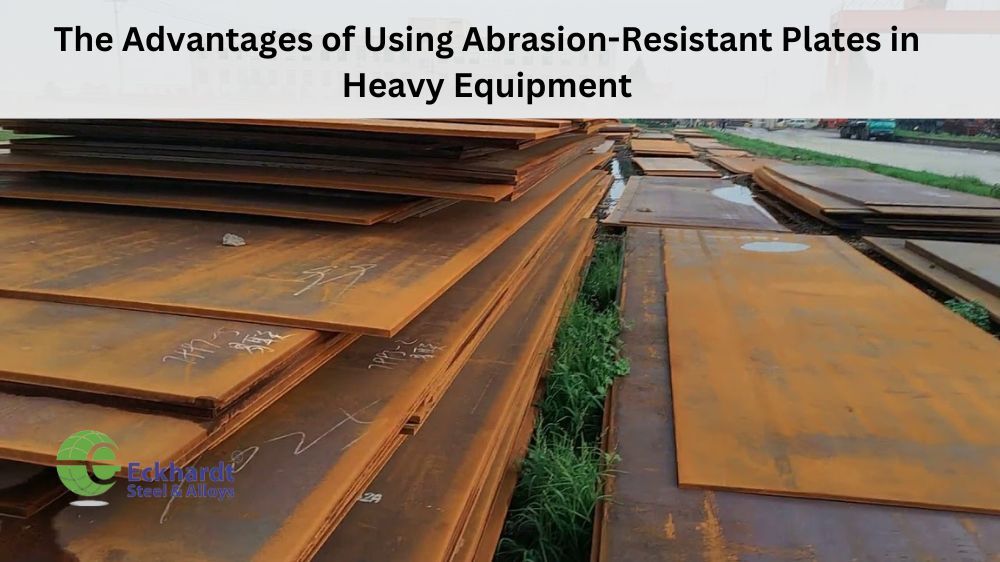
Heavy equipment is a significant investment for any business; protecting those investments should always be a top priority. Unavoidable factors like weather conditions, constant use, and tough terrains can all contribute to the wear and tear of heavy equipment. However, there is a solution to this problem—abrasion-resistant plates. Abrasion-resistant plates are made to withstand the toughest conditions and are perfect for the construction, mining, and excavating industries. If you want to know more about the advantages of using abrasion-resistant plates in heavy equipment, keep reading!
What are Abrasion Resistant Plates?
Abrasion resistant plates are steel alloys that are designed to be hard and wear-resistant. The most common type of abrasion-resistant plate is the AR400, a quenched and tempered steel alloy with a hardness of 400 Brinell (a measure of how resistant an object is to scratching, indentation, or deformation). This abrasion-resistant plate is typically used in applications where its durability can help extend the lifespan of machines such as excavators, crushers, mills and conveyors. It also helps protect against material impacts. In addition to the standard AR400 grade, other varieties, such as AR450 and AR500, are available for higher levels of protection from harsher wear conditions. These variations offer enhanced impact resistance and formability, making them suitable for industrial applications like construction equipment or mining machinery.
Benefits of Abrasion Resistant Plates
Durability
Abrasion-resistant plates are designed to withstand high levels of abrasion and impact, making them a durable option. These plates outlast traditional materials by resisting wear and tear, friction, and vibration. This resistance to wear and tear helps increase the longevity of heavy equipment, saves you money, and reduces downtime.
Cost-Effective
While abrasion-resistant plates may seem more expensive than their traditional counterparts, they save businesses money in the long run. The durability of these plates means they don’t need to be replaced as frequently as traditional materials, resulting in lower costs for purchasing replacement parts and less machinery downtime. You’ll also save on labor costs because you won’t need to constantly replace damaged parts.
Improved Safety
The harsh conditions workers face daily in the construction, mining, and excavating industries can be hazardous. Using abrasion-resistant plates in heavy equipment reduces the likelihood of operators being injured while working with damaged equipment. These plates help prevent equipment failure, decrease the frequency of malfunctions that can lead to dangerous accidents, and allow for safer working conditions.
Efficiency
Abrasion-resistant plates can help improve the efficiency of heavy equipment by providing smooth and consistent operation. Traditional materials can produce uneven wear, but abrasion-resistant plates guarantee even wear across the plate, resulting in smoother and more efficient operations. These plates also reduce friction, leading to less energy consumption and increasing equipment efficiency.
Versatility
Abrasion-resistant plates can be used in various industries and applications, making them a versatile option for heavy equipment. They can be used in the mining industry on bucket liners, chutes, hoppers, and on blades in construction equipment. Additionally, abrasion-resistant plates can be used in components subject to a moderate impact as an effective way to extend the service life of that machinery.
Conclusion:
Abrasion-resistant plates offer numerous benefits to heavy equipment in various industries. These plates’ durability, cost-effectiveness, increased safety, improved efficiency, and versatility make them a wise investment for any business. When using abrasion-resistant plates, you can extend your machinery’s life while reducing maintenance and downtime costs. Choose abrasion-resistant plates to protect your heavy equipment and ensure a safer and more productive working environment for your employees.