
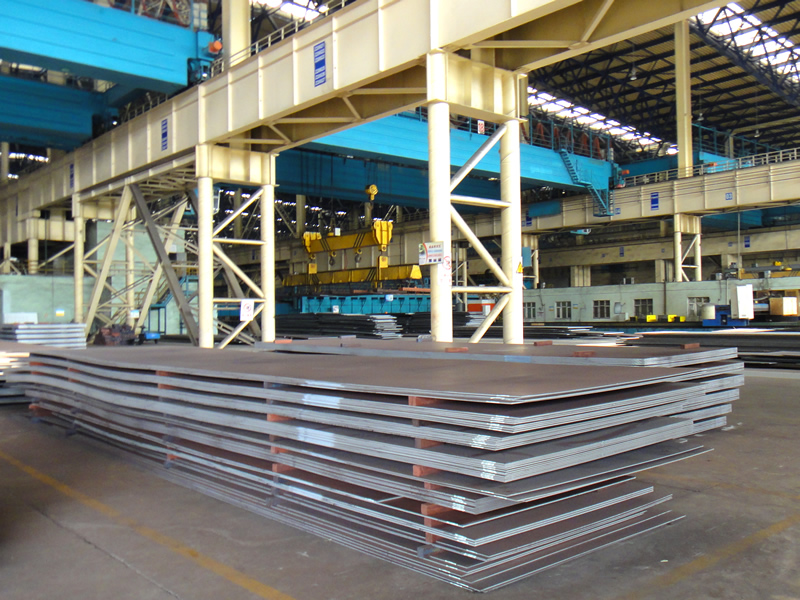
In industries like construction, mining, marine, and oil & gas, equipment and structures are constantly exposed to severe environmental stresses—extreme temperatures, heavy impact, high pressure, and corrosive elements. Traditional materials may falter under such conditions, leading to frequent maintenance, structural failure, or safety hazards. That’s where high tensile plates step in as a game-changing solution.
This blog explores how high tensile plates provide superior performance, reliability, and durability in the most challenging environmental conditions.
What Are High-Tensile Plates?
High-tensile plates are steel plates manufactured to have a higher tensile strength compared to regular mild steel plates. Tensile strength refers to a material’s ability to resist breaking under tension. These plates are produced using carefully controlled chemical compositions and advanced heat treatment processes that result in improved mechanical properties.
Typically made from alloys with added elements such as manganese, chromium, nickel, and molybdenum, high tensile plates offer an exceptional strength-to-weight ratio, corrosion resistance, and resilience under dynamic loads.
1. Superior Strength for Structural Integrity
One of the most compelling reasons to use high tensile plates in harsh environments is their exceptional strength, allowing them to bear heavy loads without deforming or cracking. This is critical for applications such as offshore platforms enduring intense wave action, mining equipment exposed to constant vibrations and pressure, and high-rise buildings subject to wind shear and seismic forces. Their superior strength ensures structural integrity, reducing the risk of catastrophic failures and significantly enhancing overall safety.
2. Excellent Weight-to-Strength Ratio
Another key advantage of high tensile plates is their excellent strength-to-weight ratio, enabling the design of lighter structures without sacrificing performance. This attribute is especially valuable in transportation and aerospace industries, where reducing weight is critical. In shipbuilding, lighter hulls lead to lower fuel consumption; in construction, decreased dead loads reduce stress on foundations; and in automotive manufacturing, lighter body structures improve fuel efficiency. By using high tensile plates, engineers can optimize material usage while maintaining or even enhancing load-bearing capacity.
3. Enhanced Durability and Resistance to Wear
High tensile plates are engineered to withstand abrasion, impact, and mechanical stress, making them perfectly suited for heavy-duty applications such as dump truck beds, bulldozer blades, and excavator buckets. Their combination of surface hardness and internal toughness allows them to resist repeated wear and tear without significant degradation, resulting in extended service life and lower replacement costs.
4. Resistance to Corrosion and Extreme Weather
Harsh environments—characterized by chemical exposure, moisture, and extreme temperatures—demand materials with enhanced resilience, and high tensile plates meet this need through alloying with corrosion-resistant elements like chromium and nickel. This composition enables them to withstand saltwater corrosion in marine settings, endure acidic or alkaline conditions in chemical plants, and perform reliably in freezing polar or scorching desert climates, making them an ideal choice for outdoor applications, offshore structures, and demanding industrial environments.
5. Reduced Maintenance and Downtime
Thanks to their exceptional durability and resistance properties, high tensile plates require fewer repairs or replacements, leading to substantial savings in labor and material costs, minimizing operational downtime, and reducing the frequency of safety inspections and regulatory compliance efforts. This makes them especially valuable in industries like oil and gas, where continuous operations in remote and harsh environments demand materials that offer long-lasting, maintenance-efficient performance.
6. Versatility Across Industries
High tensile plates are not confined to a single industry; their versatility makes them a preferred material across various sectors including construction—where they’re used in bridges, towers, and high-rise buildings; energy—for wind turbine towers, oil rigs, and pressure vessels; transport—for cargo ships, railcars, and heavy trucks; and mining and quarrying—for crushing equipment, chutes, and conveyors. Regardless of the application, high tensile plates deliver consistent, reliable performance under demanding conditions.
7. Eco-Friendly and Resource-Efficient
With sustainability becoming a central concern in modern engineering, the eco-efficiency of high tensile plates adds to their appeal. Their long lifespan means less material is consumed over time. Moreover, their recyclability ensures minimal environmental waste at the end of their lifecycle.
By allowing for thinner yet stronger structures, high tensile plates also reduce the amount of raw material used per project, contributing to sustainable building practices.
8. Compliance with Global Standards
Manufacturers of high tensile plates ensure compliance with international quality benchmarks such as ASTM, EN, JIS, and ISO standards, providing engineers and project managers with confidence in the material’s mechanical performance, weldability, formability, and reliability under dynamic conditions. This adherence to global standards not only guarantees safety and consistency but also streamlines sourcing and logistics across international operations.
Conclusion:
In environments where conventional materials might fail, high tensile plates deliver uncompromised performance, structural integrity, and long-term value. From standing up to mechanical stress and environmental damage to reducing overall construction weight and maintenance demands, these plates offer numerous advantages that justify their adoption in demanding settings.
As industries push the boundaries of engineering—building taller, digging deeper, and going further—high tensile plates emerge as the material of choice for dependable performance in harsh environments.