
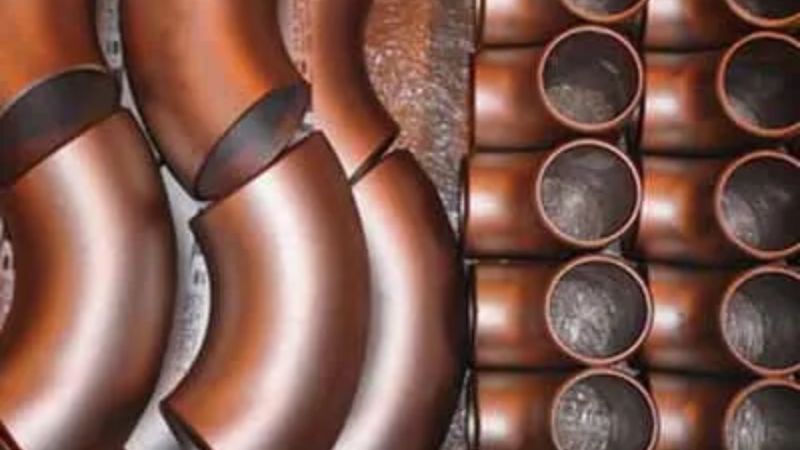
In any industrial system, the small parts often do the heaviest lifting. Choosing the right material for your pipe fittings can mean the difference between a smooth operation and a costly disaster. If a fitting fails due to high pressure or rust, the whole line goes down. Most engineers find themselves weighing two heavyweights: nickel and stainless steel. Both offer great strength, but they handle heat, chemicals, and stress differently. This blog explains at nickel pipe fittings and stainless steel options to help you decide which one fits your specific project needs.
What Are Nickel Pipe Fittings?
Nickel fittings are made from alloys where nickel is the main ingredient. These are not just plain metal; they often include elements like copper, iron, or molybdenum to boost their strength. You will see them in several types, such as elbows, tees, and reducers. They are famous for staying strong when things get incredibly hot. While other metals might soften or warp, nickel stays tough.
These fittings are the go-to choice for industries that deal with harsh acids or extreme heat. Because these parts are used in critical systems, finding a reliable nickel pipe fittings manufacturer is vital. You need parts that meet strict safety rules so they won’t crack under pressure.
What Are Stainless Steel Pipe Fittings?
Stainless steel is a versatile iron-based alloy. Its secret weapon is chromium. When chromium meets oxygen, it forms a thin, invisible layer on the metal’s surface. This layer stops rust from eating into the pipe. Most stainless steel also contains some nickel to help with shaping and toughness.
You will usually see grades like 304 or 316. Grade 304 is great for general use, while 316 adds molybdenum to fight off salt and chemicals. There is also duplex steel, which is extra strong. Because it is affordable and clean, you will find stainless steel in food factories, water lines, and modern buildings.
Chemical Composition Comparison
- High Nickel Content
Nickel-based fittings have a much higher percentage of nickel than stainless steel. Some alloys are nearly pure nickel, while others are mixed with copper. This high concentration allows the metal to stay stable in environments where iron-based metals would simply dissolve or brittle. - Chromium and Iron
Stainless steel relies on a high amount of iron mixed with at least 10.5% chromium. While it has some nickel, it isn’t the star of the show. The iron makes it strong and cheaper to produce, while the chromium provides that essential shield against basic rust and staining. - Corrosion and Oxidation
Nickel is better at fighting oxidation, which happens when metal reacts with high-heat air. It forms a very tight bond that doesn’t flake off. Stainless steel is excellent at preventing red rust in wet conditions, but it can struggle if the protective chromium layer gets scratched in a very acidic environment. - Aggressive Environments
If you are working with concentrated acids or extremely high temperatures, nickel is the winner. It handles the “aggressive” stuff better. Stainless steel is perfect for “moderate” settings where you need cleanliness and decent rust protection without the extreme price tag of high-nickel alloys.
Strength and Temperature Performance
- High-Temperature Stability
Nickel alloys shine when the heat is turned up. They can handle temperatures well above 1000°F without losing their shape. Most stainless steels start to lose strength or oxidize rapidly once they get too hot. If your pipes are glowing red, you probably need nickel.
- Pressure-Handling Capabilities
Both materials are strong, but nickel alloys often have a higher “yield strength” at high temperatures. This means they can hold high-pressure steam or chemicals without the metal stretching or bursting. Stainless steel is very strong at room temperature but has lower limits as things heat up.
- Thermal Cycling
Thermal cycling is when a pipe gets hot, then cold, over and over. This causes metal to expand and shrink. Nickel alloys handle this stress very well. They don’t crack easily from the constant change in size, making them safer for long-term use in engines or furnaces.
- Fatigue and Creep Resistance
“Creep” is when metal slowly deforms under constant stress over a long time. Nickel is designed to resist creep better than almost any other metal. It also resists fatigue, which is when a part breaks after being vibrated or stressed repeatedly. This makes it the safer choice for parts that can’t be replaced easily.
Corrosion Resistance Comparison
- Acids, Alkalis, and Seawater
Nickel is naturally resistant to many harsh chemicals. It stands up to caustic soda and various acids that would rapidly corrode conventional steel. In seawater, nickel-copper alloys are highly regarded for their excellent resistance to biofouling, effectively preventing barnacle growth, and for their superior resistance to pitting and tea staining compared to lower grades of steel.
- Chloride and Sulfur Environments
Chlorides (like salt) are the enemy of stainless steel; they cause “pitting” or tiny holes. While 316 stainless helps, nickel alloys are almost immune to this. In sulfur-rich environments, like gas processing, nickel is essential to prevent the metal from becoming brittle and snapping.
- Long-term Durability
If you install nickel fittings, they are likely to last for decades without much care. Stainless steel also lasts a long time, but it may require more frequent checks for rust or “crevice corrosion” in the joints. For “set it and forget it” reliability in harsh spots, nickel wins.
Cost and Availability
Nickel is a precious metal, and its price moves up and down a lot. Because of this, nickel fittings are much more expensive than stainless steel. The manufacturing process is also harder because nickel is so tough to machine and weld. You will pay a premium for the raw material and the labor to shape it.
Finding a nickel pipe fittings supplier might take a bit more effort than finding a steel vendor. While stainless steel is available at almost any hardware or industrial shop, nickel alloys are specialty items. However, you have to look at the “lifecycle cost.” If stainless steel fails every two years and nickel lasts twenty, the nickel is actually the cheaper choice in the long run.
Industrial Applications Comparison
- Nickel in Extreme Fields
You will find nickel fittings in chemical plants, aerospace engines, and nuclear power systems. They are used anywhere that a leak could be catastrophic or where temperatures are high enough to melt other metals. It is the material of choice for the most dangerous jobs.
- Stainless Steel in Daily Use
Stainless steel is everywhere. It is the standard for the food and beverage industry because it is easy to clean and won’t contaminate food. It is also used in hospital equipment, water treatment plants, and general construction where moderate rust protection is needed.
- Extreme vs. Moderate Environments
If your environment is “extreme”—meaning very hot, very acidic, or under massive pressure—nickel is the right tool. If your environment is “moderate”—like a brewery, a kitchen, or a standard water line—stainless steel provides all the protection you need for a fraction of the cost.
How to Choose the Right Material
Start by looking at your operating temperature. If your system runs above 800°F, start looking at nickel. Next, check your chemicals. If you have high salt or strong acids, stainless steel might not hold up. You also need to look at your budget. Whether your project budget allows for the higher investment in nickel, or if a more economical material solution is preferable with less maintenance over time. Finally, check the industry standards. Some high-pressure gas lines require specific nickel alloys by law to ensure public safety.
Conclusion
Both nickel and stainless steel are important in the piping industry. Stainless steel is widely recognized as a versatile and cost-effective material for general industrial applications, contributing significantly to the maintenance of clean water systems and the safe processing and handling of food products. But when the heat rises and the chemicals get nasty, nickel pipe fittings take over. They offer a level of durability and heat resistance that steel just can’t match.
Working with a trusted manufacturer and supplier is the best way to ensure you get the right grade for your job. For high-quality nickel pipe fittings, choose Eckhardt Steel & Alloys, a reliable manufacturer and supplier for critical industrial applications.