
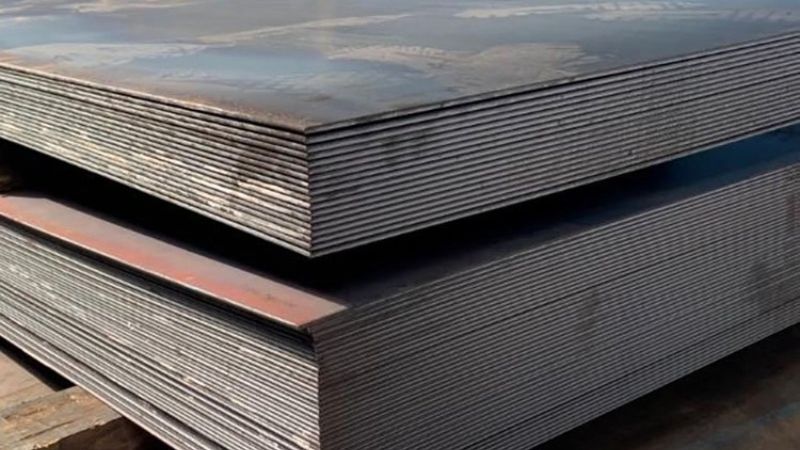
Manganese steel plates are the most important parts of heavy industry. These plates are very tough and are used in rock crushers, mining shovels, and recycling machines. However just buying “manganese steel” won’t guarantee success. Choosing the wrong plate can cause your equipment to break down, put you in danger, and cost you money. You can keep your machines running longer and your costs low by avoiding a few common mistakes.
Understanding Manganese Steel Plates Before Selection
To choose the right material, you first need to know what it is. Often called Hadfield steel, these plates contain a high amount of manganese, usually between 11% and 14%. What makes this steel special is its ability to get harder as it gets hit. This is called work-hardening. While most metals wear down under pressure, manganese steel builds a tough outer layer that fights off abrasion. Understanding this behavior is the first step in making a smart purchase. If your machine doesn’t provide enough impact to trigger this change, the steel stays soft and wears out quickly.
Key Properties of Manganese Steel Plates
The most important trait of these plates is impact resistance. They are built to take a beating without cracking. When rocks or heavy scrap metal hit the surface, the metal absorbs the energy. This leads to its second key property: work-hardening. The more impact it takes, the harder the surface becomes.
Despite this hard exterior, the inner core remains tough and flexible. This unique mix prevents the plate from shattering, even under extreme stress. It is this “self-healing” hardness that makes it better than standard hardened steel for heavy-duty jobs.
Choosing the Wrong Grade of Manganese Steel
One of the biggest mistakes is thinking all manganese steel is the same. There are different manganese steel grades tailored for specific jobs. Some have higher carbon levels for extra hardness, while others add alloys like chromium to help with wear. For example, a plate with 11% manganese might be great for light impact, but a 14% or 18% manganese plate is needed for massive boulders in a primary crusher. If you choose a grade that is too soft for your application, it will wear out in weeks instead of months. If it’s too brittle, it might snap under pressure. Always match the chemistry of the steel to the job it needs to do.
Ignoring Application-Specific Wear Conditions
You must look at how the steel will be used before you buy. Is it facing heavy impact, like a primary crusher? Or is it facing sliding abrasion, like a sand chute? Manganese steel needs impact to work. If your application only involves sand rubbing against the metal without any heavy hits, the steel won’t harden. In that case, the plate will wear away quickly. It is like trying to use a heavy-duty hammer to sweep a floor—it is the wrong tool for the job. You must match the material to the actual forces it will face in the field.
Overlooking Plate Thickness and Dimensions
Size matters just as much as quality. Some buyers try to save money by picking thinner plates. However, if a plate is too thin, it may bow or warp under heavy loads. This ruins the structural integrity of your machine and can cause parts to rub together incorrectly. On the other hand, buying plates that are far thicker than necessary adds weight and cost without adding much life. Heavy plates also make your machine work harder, which burns more fuel or electricity. Finding the right balance between strength and weight is key to keeping your equipment efficient.
Assuming Manganese Steel Is Suitable for All Environments
Manganese steel is tough, but it isn’t a “super metal” for every situation. It performs poorly in environments where there is no impact to trigger the hardening process. It also struggles in heat. If the temperature goes above 250°C, the steel can become brittle and lose its toughness. This makes it a poor choice for hot kilns or furnaces. Additionally, it is not stainless steel. It will corrode and rust in acidic or wet environments. Knowing these limits prevents you from using it where it’s bound to fail.
Neglecting Fabrication and Welding Requirements
Working with high manganese steel plates is different from working with mild steel. It is very difficult to drill or machine because it hardens as soon as the tool touches it. You usually need plasma or laser cutting rather than standard saws. Welding is also tricky. If you get the metal too hot during welding, it loses its strength and becomes brittle.
You need skilled workers who know how to use “cool” welding techniques and the right filler metals. If a welder treats this like regular carbon steel, the joint will likely fail the moment it is put under stress. Ignoring these requirements often leads to cracked welds and broken parts shortly after installation.
Ignoring Quality Standards and Certifications
Not all steel comes from the same quality of mill. A common mistake is skipping the paperwork to save a few dollars. Always check for ASTM standards and ask for a Material Test Certificate (MTC). This document proves the steel has the right chemical mix and has been heat-treated correctly. Proper heat treatment (quenching) is what gives the steel its toughness. Without these certifications, you might end up with “junk” steel that looks right but fails the first time it hits a rock.
Focusing Only on Initial Cost
It is tempting to pick the cheapest quote. However, the purchase price is only a small part of the total cost. Cheap manganese steel often lacks the proper heat treatment or has impurities in the metal. This means it won’t harden correctly, leading to more downtime and more frequent replacements. If a plate costs 20% less but lasts 50% shorter, you are losing money. Factor in the cost of labor to change the plates and the lost production time when the machine is down. Quality plates pay for themselves by staying in the machine longer.
How to Avoid These Common Mistakes
Avoiding these errors starts with research. Talk to experts who understand manganese steel properties and tell them exactly what your machine does. Give them details about the moisture, temperature, and type of material you are processing. Are you crushing granite or limestone? The hardness of the rock changes which steel you should buy. Always verify the specifications against your equipment manufacturer’s manual. Finally, find a supplier with a solid reputation who provides full documentation for every plate they sell.
Choosing the right manganese steel plates requires more than just looking at a price tag. You have to understand how the metal reacts to impact, select the right grade, and ensure it’s fabricated correctly. By avoiding the mistakes of picking the wrong thickness or ignoring quality standards, you protect your machinery and your bottom line. Making an informed choice now saves you from massive headaches later.