
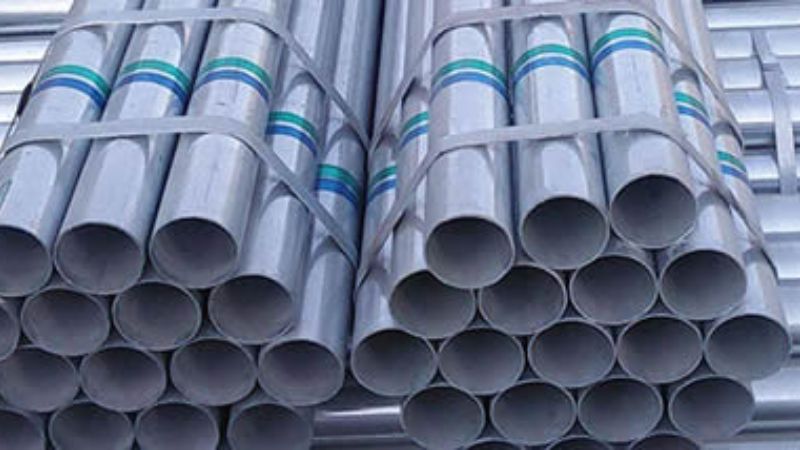
In the world of building and infrastructure, choosing the right materials is the difference between a system that lasts and one that fails. Mild steel pipes, often called MS pipes, are important in modern construction. From the massive lines carrying water across cities to the complex networks hidden behind walls in high-rise buildings, these pipes are everywhere. As the demand for reliable water supply, plumbing, and HVAC systems grows, engineers and builders continue to rely on mild steel. This blog explains why MS pipes remain the top choice for these vital services.
What Are Mild Steel Pipes?
Mild steel pipes are made from a type of steel that has a low amount of carbon, usually less than 0.25%. This low carbon content makes the metal easy to work with while keeping it strong. You will generally find them in two forms: seamless pipes, which are made without a joint, and welded pipes, which are formed by rolling a steel plate and joining the edges. Because they are easy to produce, they are affordable and widely available. Their versatility allows them to be used in everything from simple home plumbing to heavy industrial cooling systems.
Key Properties That Make Mild Steel Pipes Ideal
Several core features make mild steel the go-to material for heavy-duty piping tasks.
Strength and Mechanical Reliability: MS pipes can handle high internal pressure without bursting or leaking. This makes them perfect for moving water or chemicals under force in HVAC and municipal systems.
Durability and Long Service Life: These pipes are tough and can resist physical impacts or structural shifts. When properly cared for, they stay functional for decades, even under the constant stress of daily operation.
Ease of Fabrication and Installation: Workers can easily cut, bend, and weld mild steel on-site. This flexibility helps teams finish projects faster and keeps labor costs low compared to harder, more brittle metals.
Importance of Mild Steel Pipes in Water Supply Systems
When it comes to municipal water distribution, MS pipes for water supply are hard to beat. Cities use them for both underground and overhead networks because they can support the weight of the water and the earth above them. Their smooth internal surface helps water flow efficiently, which reduces the energy needed for pumping. Whether it is a main line for a neighbourhood or a feed for a factory, mild steel provides the structural integrity needed to prevent leaks and pipe bursts in critical public networks.
Role of Mild Steel Pipes in Plumbing Applications
Plumbing in large buildings requires materials that play well with others. MS pipes are highly compatible with various valves, connectors, and fittings.
Temperature Handling: They work well for both hot and cold water lines. Unlike some plastics that soften with heat, mild steel stays rigid and secure.
Structural Support: In vertical plumbing stacks for tall buildings, the strength of mild steel helps the pipe carry its own weight without sagging or needing excessive bracing.
Why Mild Steel Pipes Are Widely Used in HVAC Systems
HVAC systems are the lungs of a building, and HVAC mild steel pipes are the veins that carry the thermal energy.
Chilled Water and Hot Water Lines: HVAC systems often cycle water between very cold and very hot temperatures. Mild steel handles these thermal shifts without cracking or losing its shape.
Firefighting and Sprinkler Systems: In an emergency, pipes must withstand extreme heat and pressure. Mild steel is the standard for fire protection because it does not melt easily and maintains its grip under pressure.
Comparison with Other Piping Materials
While materials like PVC, copper, and stainless steel have their uses, mild steel occupies a unique middle ground. PVC is cheaper and won’t rust, but it lacks the strength and heat resistance of steel. Copper is excellent for heat transfer but is very expensive and prone to theft. Stainless steel is incredibly durable and rust-proof but comes with a high price tag that can break a project budget. Mild steel offers the best balance of high strength and manageable cost for large-scale projects.
Cost Efficiency and Economic Advantages
For developers and contractors, the bottom line matters. Mild steel provides excellent value because the initial material cost is relatively low. Since the pipes are easy to weld and install, you save money on specialized labor. Their long lifespan means building owners spend less on repairs and replacements over time. When you look at the total cost of owning and maintaining a building, mild steel is often the most sensible financial choice.
Standards and Quality Considerations
Quality control is vital when buying from an MS pipes supplier. It is important to choose pipes that meet recognized standards like ASTM or IS. These standards ensure the steel has the right chemical mix and has been tested for strength. To prevent rust these pipes are often galvanised (coated in zinc) or painted with protective layers. Buying certified pipes ensure that the system won’t fail prematurely due to flaws in the metal.
Common Mistakes to Avoid When Using MS Pipes
Even the best materials can fail if used incorrectly. One common mistake is ignoring corrosion protection; using bare steel in a damp environment without a coating leads to early rust. Another error is poor welding, which creates weak spots that leak under pressure. Finally, some installers choose the wrong pipe thickness for their applications. Always ensure the “schedule” or thickness of the pipe matches the pressure requirements of your specific water or HVAC system.
There are good explanations why mild steel pipes are the most important part of modern building services. Other materials have a hard time matching their unique combination of strength, ease of use, and low cost. Whether they are moving drinking water, circulating air conditioning fluids, or standing by in a fire sprinkler system, they are as reliable as modern infrastructure needs it to be. Always work with a reliable MS pipes supplier and reach out to an engineer to make sure you have the right specifications for your project to get the best results.