
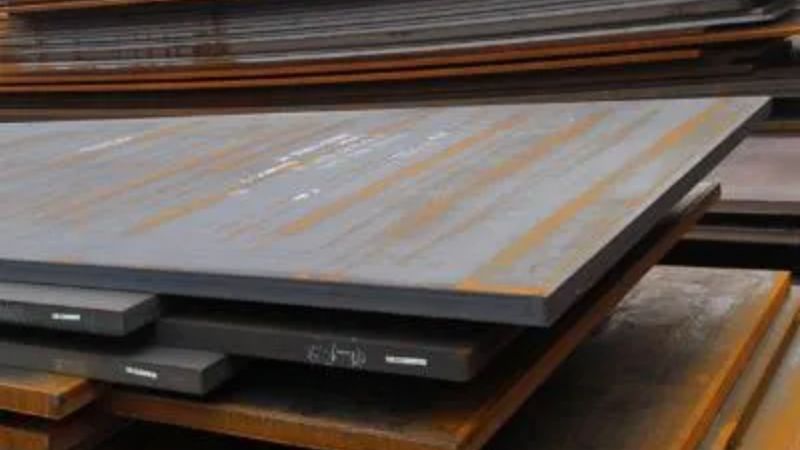
The world of building and making things is changing fast. We need materials that can carry more weight without being too heavy. This need has pushed modern industries to move away from bulky materials and look for smarter options. High-strength steel plates are the foundation of this change. Such materials let designers make skyscrapers, ultra-light vehicles and high-performance equipment. Since they provide improved performance and greater safety they have been widely used in manufacturing today. Whether it is a giant crane or a deep-sea oil rig, these plates provide the backbone needed for tough jobs.
What Are High-Strength Steel Plates?
High-strength steel plates are a type of structural steel designed to handle extreme pressure. Unlike standard steel, these plates use a specific mix of iron and carbon along with small amounts of other elements like manganese or silicon. Manufacturers use special heat treatments for steel, where it is heated at high temperature, and then quickly cooled. This treatment will impact the interior structure of the steel.
The result is that the steel becomes much stronger compared to the normal carbon steel sheets. Unlike normal steel which may warp and snap under a given load, high-strength varieties retain their form. These plates are available in a range of forms, including rolled sheets or thick slabs to suit the requirements of a project.
Key Properties of High-Strength Steel Plates
Industries use these plates as they can do things that regular steel can’t. First, they have a lot of strength when pulled and pushed. This means that they can be pushed or pulled with a lot of force before they change shape. They are also very strong. They don’t break easily, even when it’s freezing cold or when something hits them suddenly.
Despite being so strong, they are surprisingly easy to work with. Most types have good weldability, so workers can join them together without the metal becoming brittle. They also resist wear and fatigue. This means parts made from these plates last a long time, even if they move or rub against other parts constantly.
Advantages of Using High-Strength Steel Plates
- Reduced weight with improved load capacity: One of the biggest wins is weight saving. Because the steel is so strong, you can use thinner plates to do the same job as thick, heavy carbon steel. This makes the final structure lighter while allowing it to carry more weight.
- Long service life: These plates don’t wear out quickly. They stand up to harsh weather and heavy use. This durability means machines stay in the field longer and don’t need to be fixed or replaced as often.
- Lower structural and transportation costs: Lighter materials mean lower costs. Trucks and ships built with these plates use less fuel because they weigh less. Also, since you need less steel to build a frame, the initial cost of materials can be lower.
- Improved safety and performance: Safety is non-negotiable in construction. High-strength steel provides a higher safety margin. It can absorb more energy during a crash or a heavy load shift, which protects both the equipment and the people using it.
Manufacturing Standards and Specifications
- ASTM, EN, and ISO standards: Quality is measured by strict rules. Most plates follow ASTM (American), EN (European), or ISO (International) standards. These rules ensure that every plate meets a specific strength level.
- Thickness and tolerance ranges: Precision matters. Makers produce these plates in many thicknesses, from a few millimeters to several inches. High-quality plates have tight tolerances, meaning the thickness is even across the whole sheet.
- Heat treatment and testing requirements: Every batch undergoes testing. This includes pulling the steel until it breaks and hitting it to see how much shock it can take. Heat treatments like quenching and tempering are used to reach the perfect balance of hardness and flex.
- Importance of sourcing from a certified High-Strength Steel Plates Manufacturer: You must get your steel from a trusted source. A certified High-Strength Steel Plates Manufacturer follows all these rules and provides paperwork to prove the steel is safe for use.
Industrial Applications of High-Strength Steel Plates
In construction and structural engineering, these plates allow for thinner beams in skyscrapers. This creates more floor space and reduces the total weight of the building. Bridges also use them to span longer distances without needing as many support pillars.
Heavy equipment and machinery rely on these plates for durability. Think about the arms of a giant excavator or the frame of a crane. These parts must lift tons of earth or stone without snapping. High-strength steel makes this possible while keeping the machine nimble.
In the automotive and transportation sector, weight is the enemy of fuel efficiency. By using high-strength plates for truck frames and trailers, companies can carry more cargo while burning less diesel. It also makes cars safer by creating a “survival cell” that stays intact during accidents.
Shipbuilding and offshore platforms face some of the toughest conditions on Earth. Saltwater eats away at metal, and giant waves put massive stress on hulls. High-strength steel helps ships carry more weight and stay safe in stormy seas.
Finally, in mining and material handling, gear is constantly pounded by rocks and grit. Chutes, liners, and buckets made from these plates resist grinding and denting. This keeps the mine running without constant stops for repairs.
High-Strength Steel Plates vs Conventional Steel
- Strength-to-weight comparison: Conventional steel is heavy. To make it strong, you have to make it thick. High-strength steel flips this. You get massive strength in a much smaller, lighter package.
- Durability and wear resistance: Standard steel can be soft. It dents and scratches easily under heavy work. High-strength plates are much harder, so they stay smooth and functional even in grit and dirt.
- Cost efficiency over lifecycle: Standard steel might be cheaper to buy today, but it costs more over time. It is heavier to ship and needs more maintenance. High-strength steel saves money through fuel savings and a longer life.
- Application suitability: For simple jobs like a backyard fence, regular steel is fine. But for anything that moves, lifts, or supports a lot of weight, high-strength steel is the better choice.
Choosing the Right High-Strength Steel Plates Supplier
Finding the right material is only half the battle. You also need a partner who knows the industry. A good High-Strength Steel Plates Supplier will provide Mill Test Reports (MTRs) for every order. These reports show exactly what is in the steel and how it performed in tests.
Look for a supplier that offers custom services. Sometimes you need a specific size or a custom cut. A supplier with in-house cutting tools can save you time and money. They should also have a large inventory so you aren’t waiting weeks for your metal to arrive. Working with a reliable team ensures that your project stays on schedule and meets all safety codes.
Conclusion
High-strength steel plates have changed how we build the world. They offer a rare mix of lightness, toughness, and long-term savings. By choosing these plates, industries can build bigger and better while keeping costs down. The performance benefits make them the clear choice for any serious project. Always remember that the quality of your build depends on the quality of your metal. Selecting a top-tier manufacturer and supplier is the best way to ensure your project stands the test of time.
Eckhardt Steel & Alloys is a trusted premium manufacturer and supplier of high-strength steel plates for superior industrial performance.