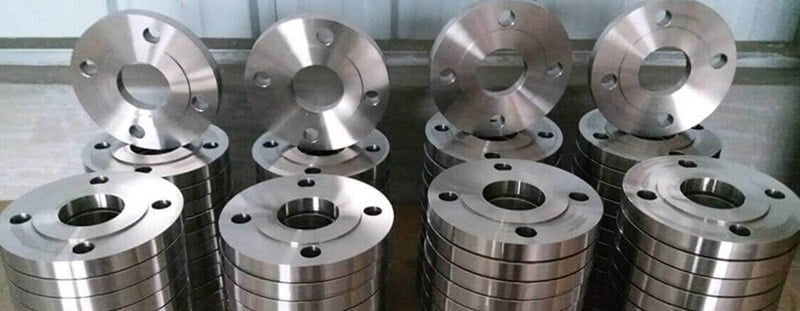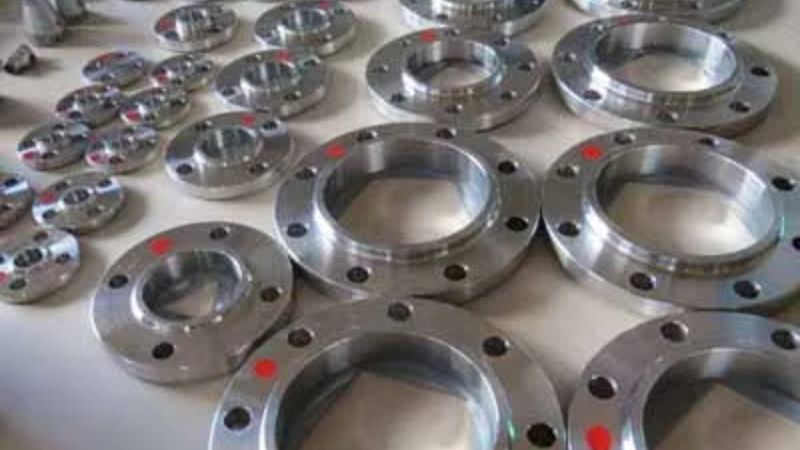
In the demanding world of industrial processing, standard stainless steels often fail in harsh acidic environments. As chemical plants and refineries increase the demand for corrosion-resistant components has reached a new high. This is where Alloy 20 Flanges come in to help bridge the gap between conventional steel, and expensive specific metals. These flanges are known for their ability to endure aggressive media, such as sulfuric acid, and chloride-induced pitting, ensuring leak-free connections in high-pressure systems. This blog describes Alloy 20’s key features, types and primary applications. It also discusses the key benefits, standards and how to select the best supplier. The purpose is to help engineers and consumers in making informed decisions.
What Is Alloy 20?
Alloy 20 is a nickel, iron, and chromium alloy intended for use in acidic situations. It contains copper, and molybdenum, which help to improve corrosion resistance. The alloy was designed for sulfuric acid application, where many stainless steels break prematurely. Nickel contributes to stability, whereas chromium provides surface protection. Copper increases resistance to reducing acids, while molybdenum inhibits pitting and crevice corrosion. This alloy performs well across a wide range of temperatures and maintains its strength under pressure. Due to these features, it is used to manufacture pipes, tubes, fittings, and flanges. Flanges are very important as they create tight connections in piping systems. Alloy 20 flanges provide both durability, and safety in severe chemical processes.
Key Properties of Alloy 20 Flanges
Alloy 20 flanges are selected for their balance of corrosion resistance and mechanical strength. These properties make them reliable in harsh service conditions.
- Exceptional resistance to sulfuric and phosphoric acids
These flanges operate well in highly acidic conditions. They can withstand ordinary corrosion, and surface damage. This makes them ideal for acid plants and reactors.
- High strength and structural integrity
Alloy 20 maintains strength under pressure and heat. The flanges hold their shape and sealing ability. This reduces the risk of joint failure.
- Resistance to stress corrosion cracking
Chloride stress cracking is a common problem in stainless steel. Alloy 20 resists this damage. It performs better in mixed acid and chloride systems.Good weldability and fabrication
The material is easy to weld using standard methods. It does not require complex heat treatment. This helps during installation and repair work.
Types of Alloy 20 Flanges
Different flange types suit different piping needs. Alloy 20 flanges are available in several standard designs.
- Flanges allow easy removal without Weld neck flanges
These flanges have a long tapered neck. They offer strong stress distribution. Weld neck flanges work well in high-pressure systems.
- Slip-on flanges
Slip-on flanges slide over the pipe and are welded in place. They are easy to install and align. These flanges suit low to medium pressure lines.
- Blind flanges
Blind flanges close the end of a pipe system. They allow future expansion or inspection. Alloy 20 blind flanges resist internal corrosion.
- Socket weld and threaded flanges
Socket weld flanges fit smaller pipe sizes. Threaded welding. Both are useful in compact systems.
Applications of Alloy 20 Flanges
Alloy 20 flanges are used in industries where corrosion control is critical. Their reliability supports safe and steady operations.
- Chemical and petrochemical processing
These flanges handle aggressive chemicals and acids. They are used in reactors, pipelines, and heat exchangers.
- Acid handling and storage systems
Sulfuric and phosphoric acid storage demands safe joints. Alloy 20 flanges reduce leak risks. They extend system life.
- Pharmaceutical manufacturing
Clean and corrosion-free systems are essential. These flanges support pure process conditions. They also meet hygiene standards.
- Food processing equipment
Some food processes involve acidic media. Alloy 20 flanges resist corrosion without affecting product quality.
- Oil and gas refining
Refineries deal with corrosive fluids and pressure. Alloy 20 flanges offer stable performance in these harsh settings.
Benefits of Using Alloy 20 Flanges
Choosing the right flange material impacts safety, cost, and system life. Alloy 20 offers clear advantages.
- Extended service life
The alloy resists corrosion over long periods. Flanges last longer even in acid exposure. This reduces early replacement.
- Reduced maintenance costs
Fewer corrosion issues mean fewer shutdowns. Maintenance schedules become predictable. This lowers operating expenses.
- High reliability in corrosive environments
Alloy 20 flanges perform consistently. They maintain tight seals and structural strength. This improves plant safety.
- Cost-effective compared to higher nickel alloys
While durable, Alloy 20 costs less than many nickel alloys. It offers strong value without sacrificing performance.
Specifications and Standards
Alloy 20 flanges are manufactured according to strict international specifications. These ensure safety, proper fit, and performance. Most flanges comply with ASTM standards for chemical composition and mechanical qualities. The ASME standards include pressure ratings, flange dimensions, and tolerances. These standards ensure compatibility with global pipe systems. Heat treatment is carefully controlled to ensure optimum strength and corrosion resistance. Each flange is checked for surface flaws and dimensional accuracy. Chemical analysis and pressure checks may be used during testing. Working with a certified Alloy 20 Flanges manufacturer ensures adherence to these standards. Certified manufacturers also offer test results and certified documentation to ensure quality control.
Choosing the Right Alloy 20 Flanges Supplier
Selecting the right supplier is as important as choosing the material. Quality and service both matter. A trustworthy supplier provides complete material certification and traceability. This confirms the alloy’s grade and heat number. Strong manufacturing standards ensure consistent flange quality. Proper inspection and testing reduce the possibility of errors. A reliable supplier can also provide customised sizes and pressure ratings if required. Delivery schedules should adhere to project timelines without delay. Working with a reputable Alloy 20 Flanges supplier helps to avoid installation problems and possible failures. Clear communication, technical support and consistent supply build long-term trust.
Conclusion
Alloy 20 flanges are designed to withstand rigorous industrial conditions. They are highly resistant to acid corrosion and cracking. Different flange types can handle a wide range of pipe designs. Their applications include chemical, food, pharmaceutical, and refining industries. Long service life and little care offer significant value. Choosing the right manufacturer and supplier assures consistent and safe functioning. Quality standards and proper testing are important at all stages. Select superior Alloy 20 Flanges from a reputable manufacturer and supplier to ensure safe, and long-term industrial performance.